Will your next takeout order literally fall from the sky?

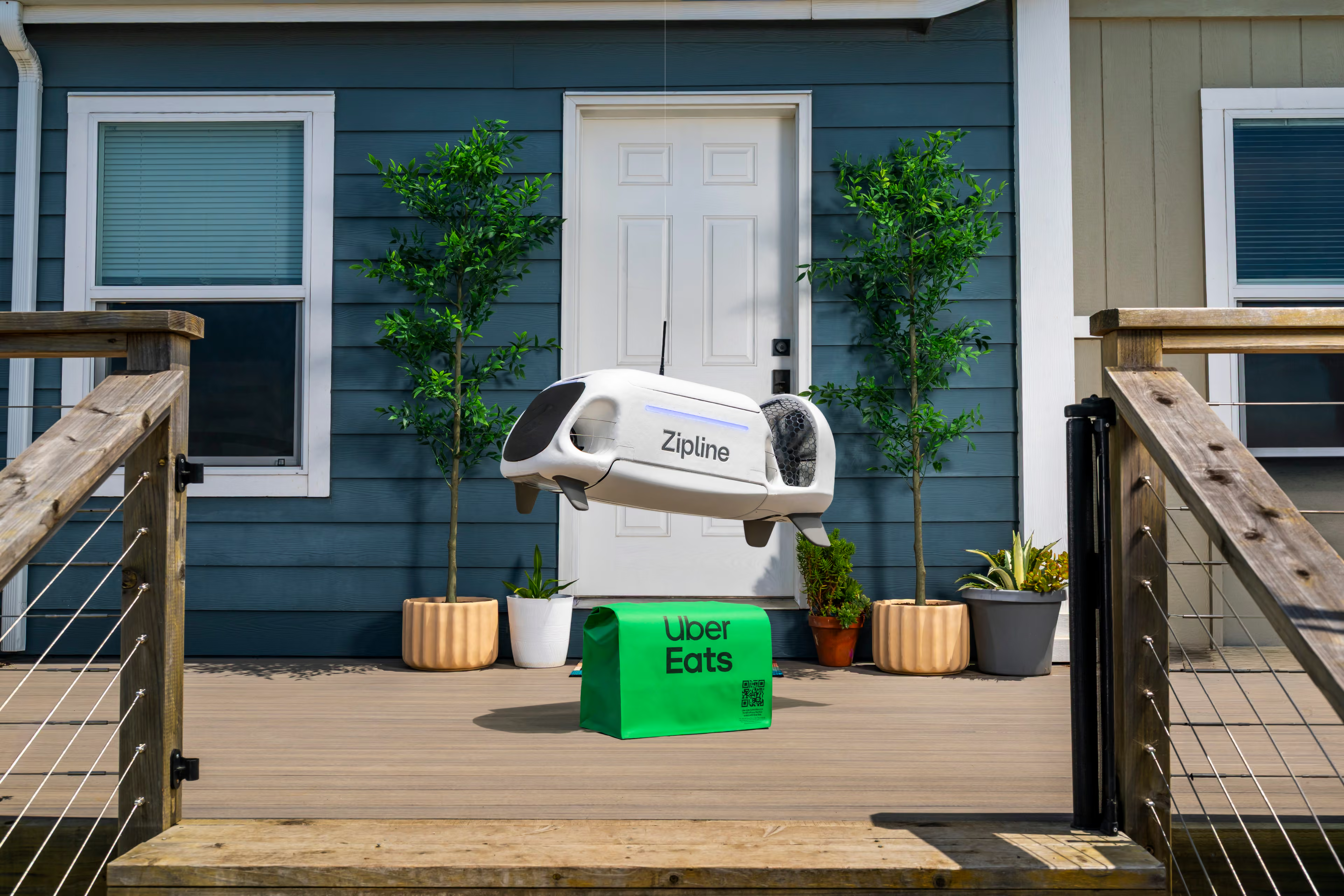
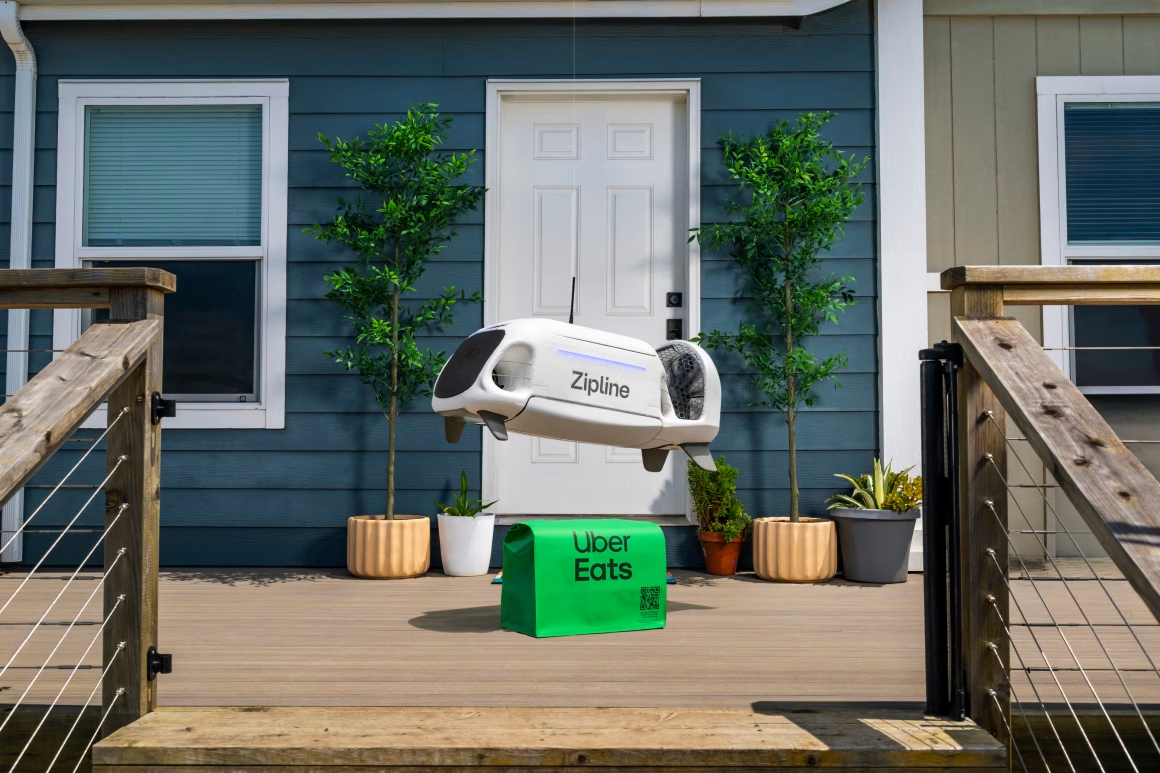
Later this year, ordering takeout on Uber Eats might involve stepping into your backyard and watching an autonomous drone lower a warm burrito to the grass via tether.
Backed by a fresh investment from Uber, drone logistics pioneer Zipline plans to launch restaurant delivery in select US markets before year’s end, setting an ambitious target of one million daily autonomous flights by 2029.
The concept is compelling, but taking food delivery airborne is a mix of obvious logic and messy real-world physics.


The Upside: Fixing Absurd Logistics
- Zero Car Waste: Dispatched a two-ton, gas-guzzling SUV to deliver an iced coffee is wildly inefficient. Battery-powered flight eliminates traffic and tailpipe emissions.
- Speed: Cruising at 300 feet, drones bypass road grids, slashing delivery times from 40 minutes to under 10.
- Proven Tech: Zipline isn’t a speculative startup; it built its reputation flying millions of miles delivering critical medical supplies across Rwanda and Ghana before scaling to commercial retail.
The Reality Check: Earthly Friction
- Suburbs Only: Tethering food onto a spacious suburban lawn is simple. Navigating the wind tunnels, power lines, and balcony-free high-rises of dense city centers is a completely different challenge.
- Sky Noise & Clutter: A single drone is quiet; fifty drones buzzing over a cul-de-sac during the 7:00 PM dinner rush might quickly test neighborhood patience.
- Weather & Weight: Drones struggle with heavy rain, high winds, and payloads over roughly six pounds—the exact scenarios where people order delivery most.

Uber envisions a hybrid future: sidewalk bots and drones handle the quick, lightweight snacks, while drivers keep the bulky family-style orders.
Whether the public will tolerate takeout hovering overhead remains an open question, but the race to turn the sky into an express lane has officially begun.