

Alcohol-free drinking is moving beyond familiar combinations of fruit juice, soda, syrups, and garnishes. Today’s zero-proof beverage options increasingly focus on distinctive ingredients, layered flavors, and a more deliberate drinking experience.
In this evolving category, Kava spirits offer an alternative that combines botanical character, convenient serving formats, and a connection to traditional Pacific Island drinking customs. Non-Alcoholic Kava Spirits fit into this shift by using Kava, a root traditionally prepared as a communal beverage in parts of the South Pacific, as the foundation for contemporary drinks.
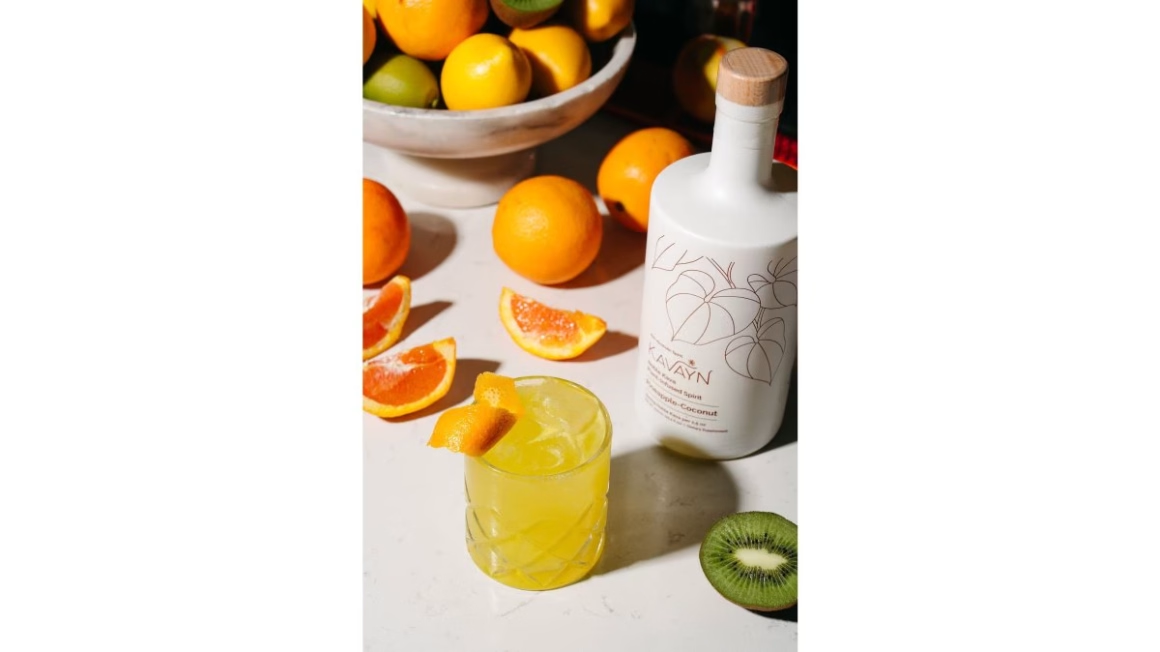
The Shift From Mocktails To Functional Zero-Proof Drinks
Mocktails established the foundation for alcohol-free variety
Mocktails helped make alcohol-free drinking a more considered part of restaurant menus, celebrations, and social gatherings. Instead of limiting non-drinkers to water or soft drinks, bartenders began offering combinations with citrus, herbs, fruit, spices, bitters, and carefully selected garnishes.
This development changed the expectations surrounding alcohol-free beverages. Presentation became more important, and the glass, aroma, texture, and flavor balance all contributed to the experience. A thoughtfully prepared mocktail could feel appropriate for a formal dinner or special occasion rather than serving as a basic cocktail substitute.

Functional beverages introduce a different product concept
Functional beverages are built around specific ingredients or a defined drinking experience, not flavor alone. Depending on the product, this may involve botanical extracts, fermented ingredients, tea, or other clearly identified components.
Kava occupies a distinct position in this category because it has a long history as a prepared social beverage. Its earthy, root-derived character differs from the bright fruit flavors commonly associated with mocktails. Modern formulations can add flavor notes, but Kava remains the ingredient that sets the drink apart from ordinary sparkling water or a conventional alcohol-free cocktail.
Why Kava Spirits Stand Apart From Traditional Mocktails
Kava brings a traditional ingredient into a modern format
Kava comes from the root of Piper methysticum, a plant with deep cultural significance across several Pacific Island communities. Traditional preparation commonly involves working the root with water and straining the resulting liquid. People share the beverage in social and ceremonial settings, though customs and preparation methods vary across communities.
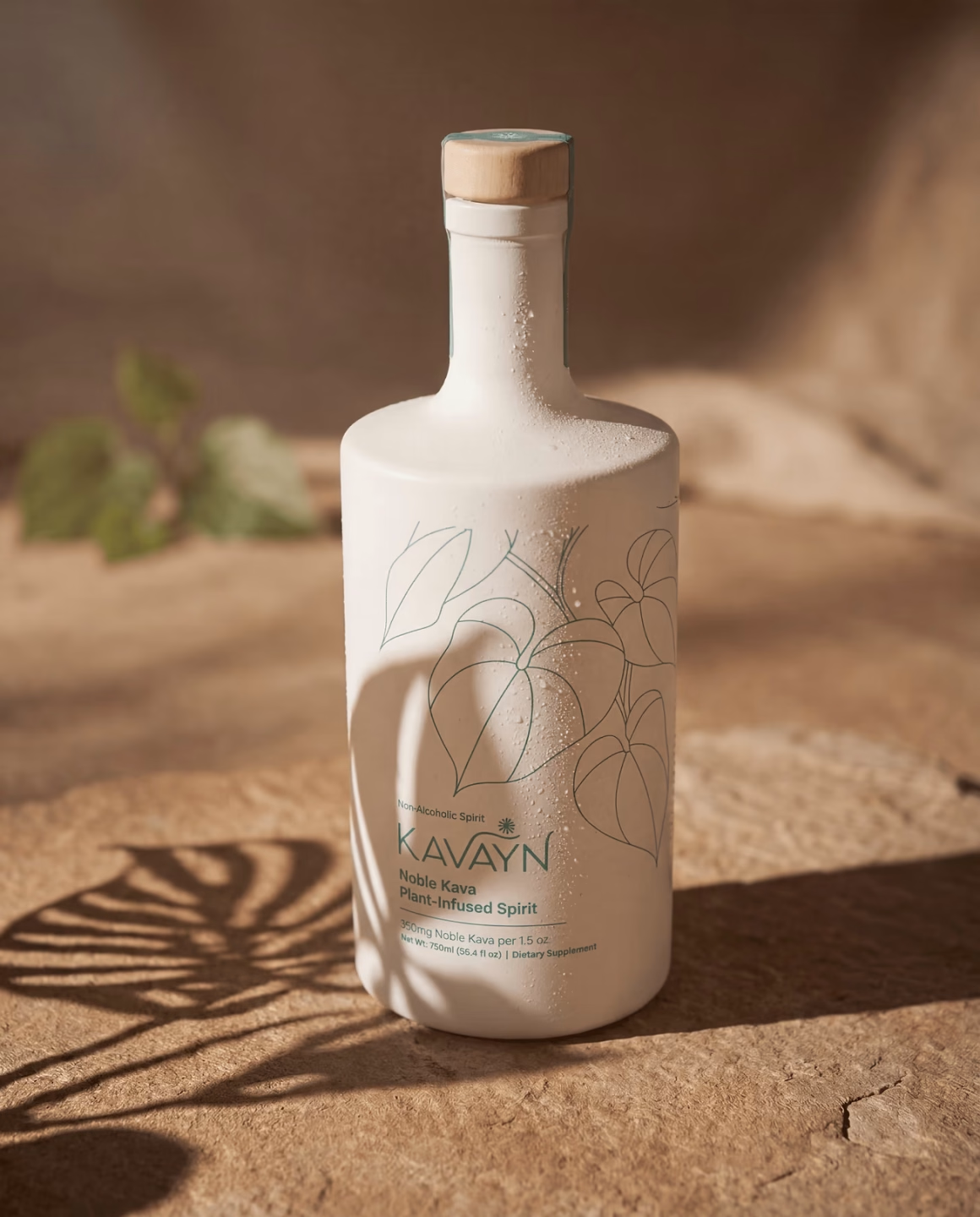
Modern Kava spirits adapt the ingredient for contemporary beverage settings. Depending on the formulation, the product may arrive in a ready-to-serve bottle or another convenient format that reduces the preparation required at home or behind a bar.
Earthy flavor creates an alternative to fruit-led drinks
Many familiar mocktails depend on sweet, sour, or sparkling combinations. Lemon, lime, berries, tropical fruit, and syrups often dominate the flavor profile. These ingredients can produce excellent drinks, but they also establish a recognizable flavor pattern across many alcohol-free menus.
Kava introduces a different starting point. Its earthy, sometimes peppery character can create a more grounded flavor profile. Depending on the formulation, complementary ingredients such as citrus, ginger, coconut, or spices may help balance that character without disguising the beverage entirely.
How Functional Kava Spirits Are Expanding Zero-Proof Occasions
Home entertaining is moving beyond elaborate mocktail recipes


A traditional mocktail can require several ingredients, accurate measurements, fresh garnishes, and a little preparation. That process suits people who enjoy making drinks, but it may not fit every gathering or everyday occasion.
Ready-to-serve Kava products offer another option. A host can present a bottle with suitable glassware and simple mixers, allowing guests to choose a straightforward pour or create a personalized combination. This format makes the beverage part of a gathering without needing a separate cocktail-making station.
Zero-proof menus can offer more than one drinking style
A well-planned alcohol-free menu doesn’t need to label every beverage as a mocktail. Sparkling drinks, botanical blends, tea-based serves, alcohol-free spirit alternatives, and Kava beverages can each provide a different option.
Kava can be included as a distinct menu category, with a concise description of its root-based origin and earthy flavor. This helps guests understand what makes it different from a citrus spritz or a fruit-forward drink. It also gives staff a useful starting point when explaining the beverage without making unsupported promises about what it will do.
What To Consider When Choosing Non-Alcoholic Kava Spirits?
Ingredient and product details should be easy to understand
The phrase “functional” can cover many types of beverages, so the label should provide more useful information than broad lifestyle language. Check whether Kava is clearly identified, which other ingredients are included, and whether the product is described as ready to drink or intended for mixing.
Serving instructions also matters. Products can differ in formulation and concentration, so it’s unwise to assume the same amount or preparation method applies to every bottle. A transparent label gives consumers a clearer basis for comparing options.
Flavor, format, and occasion should guide the selection
A product’s intended use can help narrow the choices. A ready-to-serve bottle may suit simple pours or small gatherings, while a concentrated formulation may be designed for measured servings or mixing. The packaging should explain the appropriate use.
Flavor is equally important. Those who enjoy earthy, botanical notes may prefer a kava-forward formulation, while people accustomed to fruit-led mocktails may find a blend with citrus, ginger, or tropical flavors more approachable. Neither style is automatically superior; the choice depends on personal preference and the specific product.
Summing It Up
The rise of functional zero-proof beverages reflects a broader expansion of alcohol-free drinking beyond familiar cocktail substitutes. Mocktails remain valuable for their flavor, creativity, and presentation, but they are no longer the only way to create a considered drinking experience without alcohol. The appeal of non-alcoholic Kava Spirits lies in this combination of ingredient identity, adaptable presentation, and a drinking ritual that does not need to imitate an alcoholic cocktail. As the category develops, the strongest approach will be to explain what makes each beverage distinctive, respect Kava’s cultural background, and prioritize accurate product information over sweeping claims.
About The Author
Palmina Thomson is an SEO strategist, editor, and niche researcher with more than 20 years of experience working with wellness-focused brands and specialist consumer markets. Her work focuses on creating clear, search-friendly content that connects product information with genuine reader interests. With an emphasis on topical authority, editorial accuracy, and compliance-aware SEO, Palmina develops articles that explain emerging categories in accessible language while avoiding unsupported claims and unnecessary repetition.


