

China and the US are in a race to establish a new human presence on the moon by the year 2030. In case you haven’t checked, that’s only 5 years from now.
China has long had their own space station, but hadn’t until this point, had their own indigenous space suit, one that taikonauts will wear on the lunar surface.
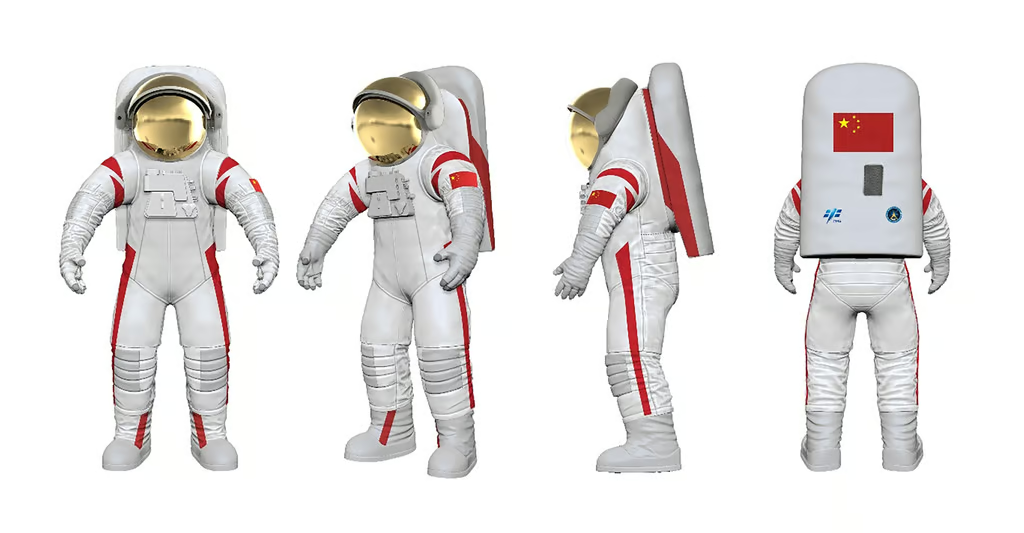
Unveiled at a China Manned Space Agency (CMSA) event, the extravehicular lunar suit looks similar to NASA’s older generation spacesuit, albeit with a number of modernized components, and a signature red accent color. With a larger range of motion than the Apollo suits, and a comprehensive protective fabric, the spacesuits take years to develop.
It marks a new era for China’s manned space flights, and it will be fascinating to watch the new era space race take shape over the next few years.

“The suit is described as having a comprehensively protective fabric that shields against the harsh thermal environment and lunar dust. The helmet features a panoramic, anti-glare visor. The helmet also carries separate long and short focal length cameras. A multi-functional integrated control console is on the chest.
The suit also carries elements of Chinese culture. The red stripes on its upper sections are inspired by ribbons from the famous “flying apsaras” of Dunhuang art. The overall design of the lunar suit was stated to draw on the style of traditional Chinese armor.”


Edited by Ben VanderVeen · About Moss & Fog