
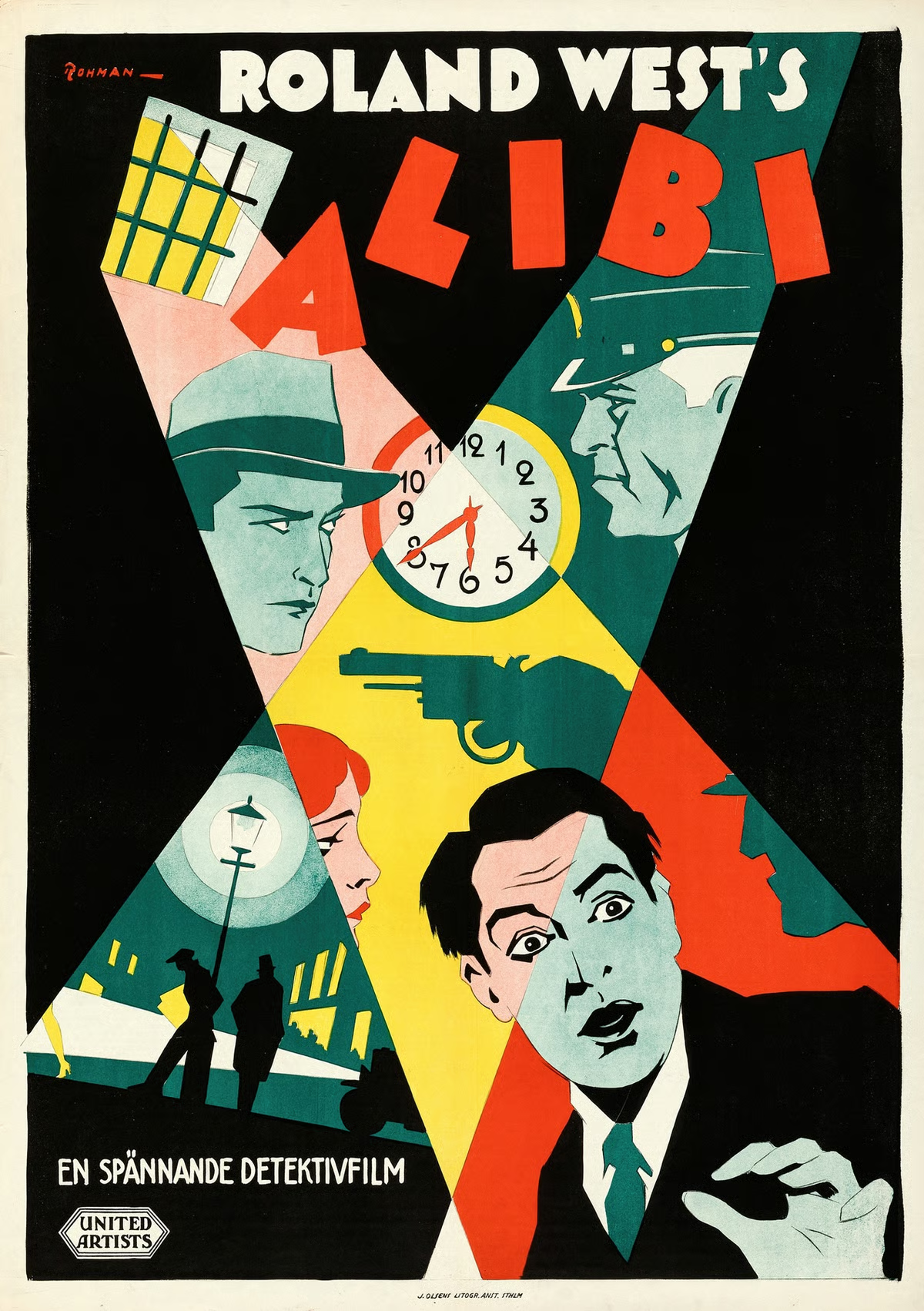
Few artists could say they made a living from movie posters alone. Eric Rohman did, thousands of times over.
Born in Nyköping in 1891 and raised in Helsingborg, Swedish artist Eric Rohman became one of the rare figures in early 20th-century design who could make a living entirely from posters.
His output was almost unbelievable. By his own estimate, Rohman produced around 7,000 posters during his career, many of them for film. In the late 1940s, he was reportedly turning out four or five posters a week.
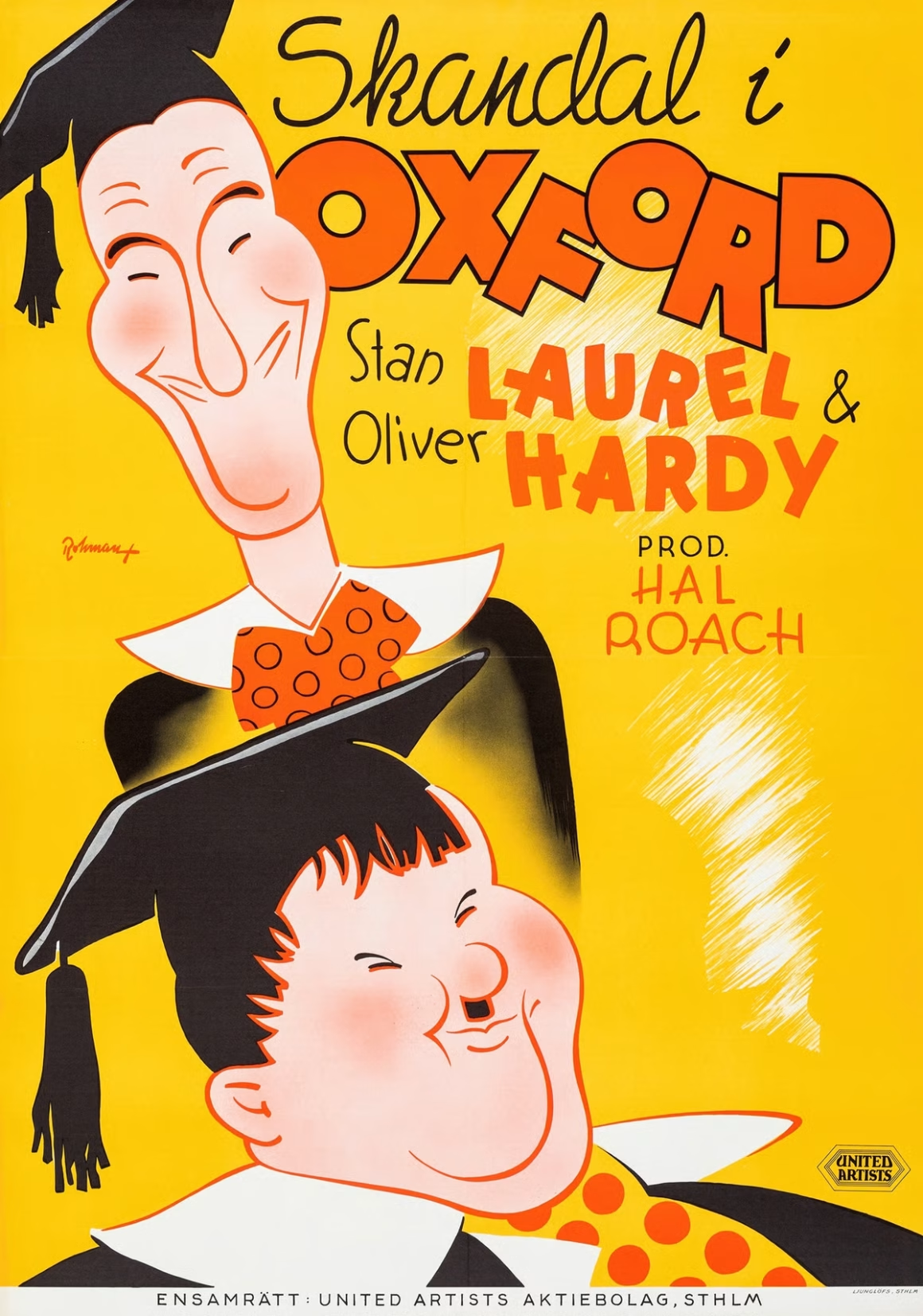
Rohman’s path into poster art was helped by circumstance. His brother managed a major Swedish cinema chain, and the demand for film advertising was constant. But Rohman’s success came from more than access.
He had a remarkable ability to reduce a film to its essentials: a face, a gesture, a mood, a splash of color.
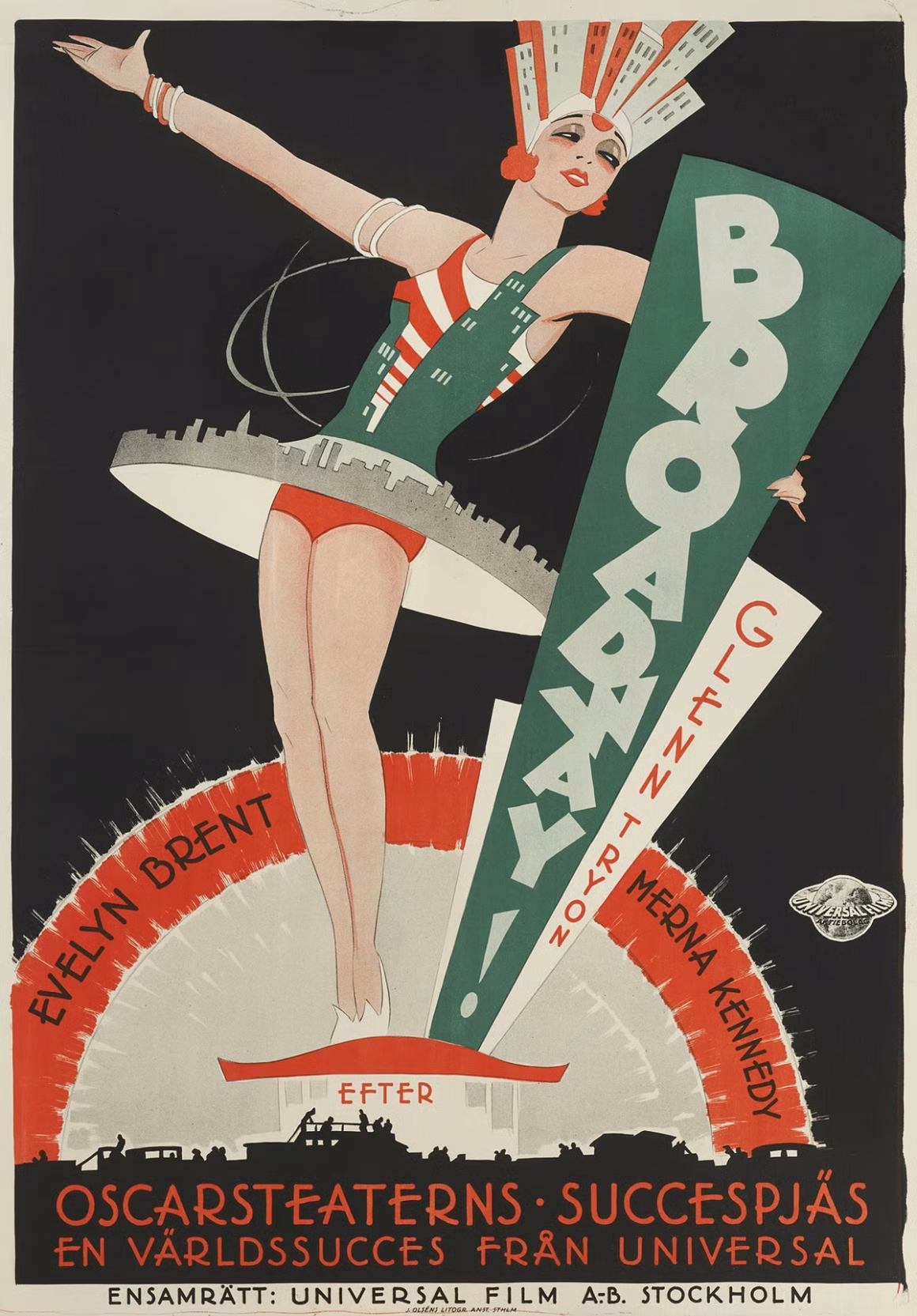
A Master of the Essential
Rohman’s style was direct, graphic, and wonderfully economical. He often worked with just a few colors, using strong silhouettes, expressive faces, flat planes, and dramatic negative space. His early work made use of linocut printing, a process that favored bold forms over fine detail.
The result feels surprisingly modern. Many of his posters from the silent-film era look almost like contemporary vector illustrations: clean, immediate, and full of visual confidence.
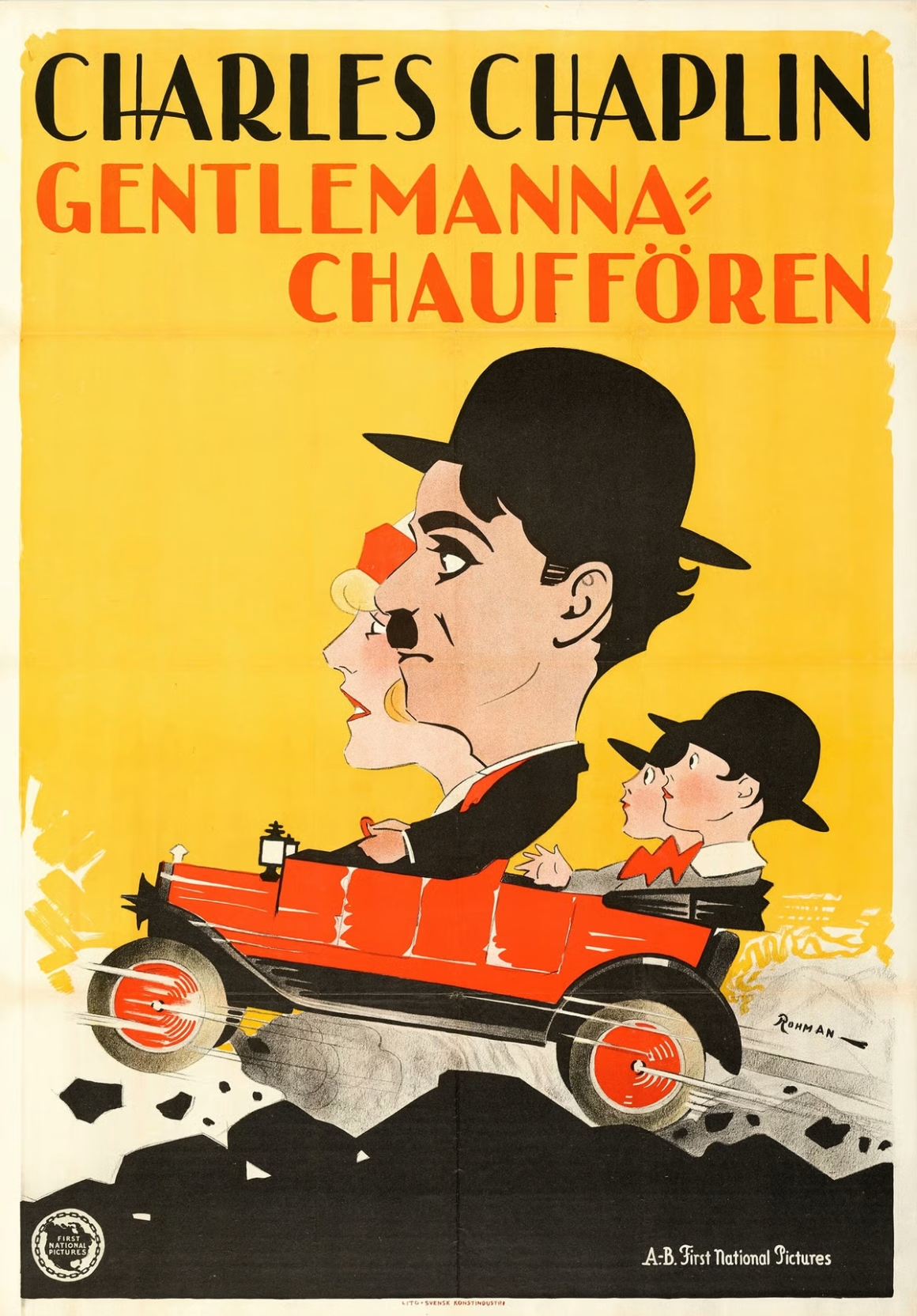
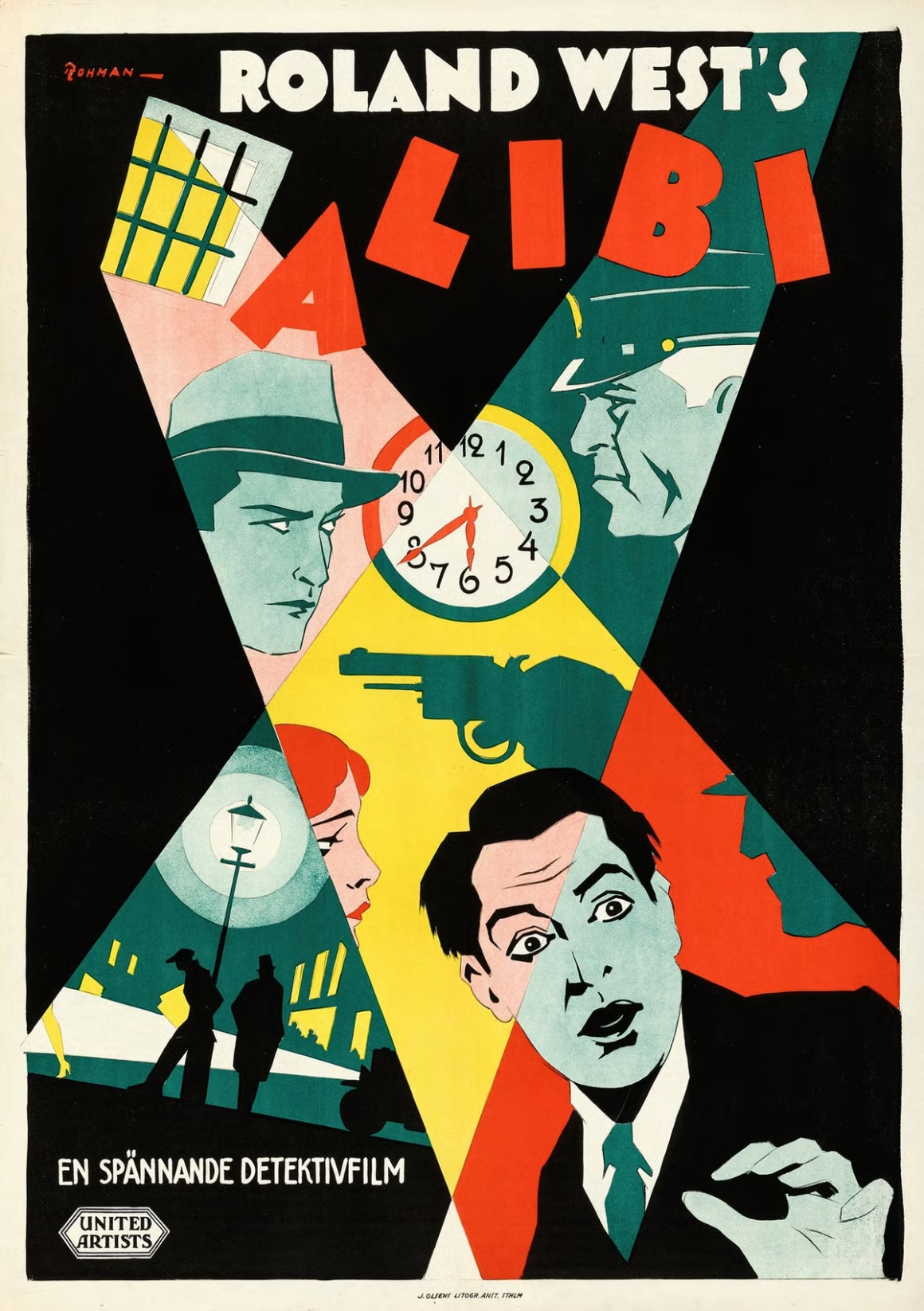
Rohman didn’t over-explain a film, but instead distilled it.
His best posters have a sense of urgency and elegance. They’re not overly fussy. They are built to stop you in the street, make you look twice, and pull you toward the cinema.
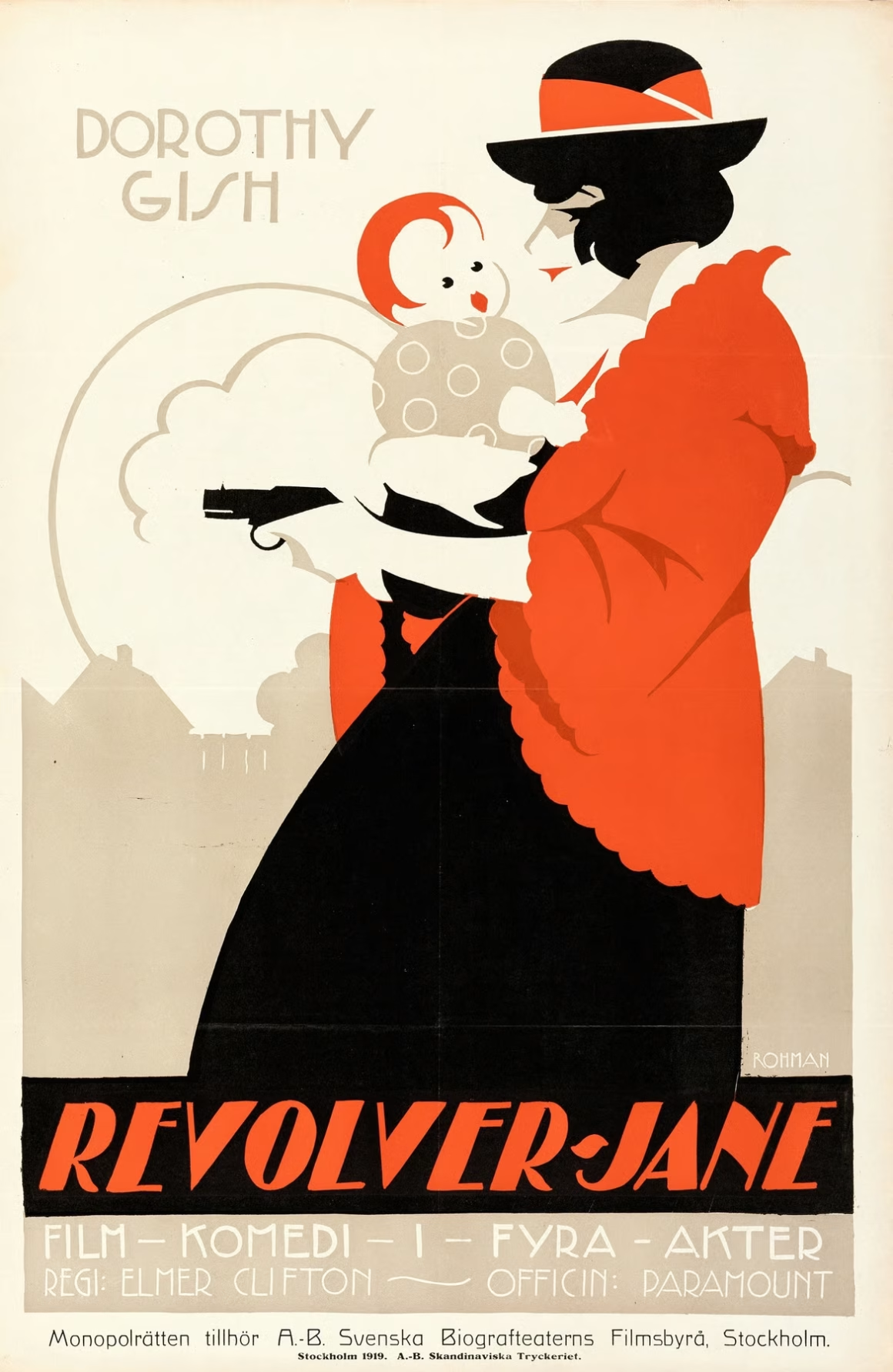
Critics, Collectors, and Legacy
Early Swedish film posters were not always treated kindly by critics, who often dismissed the medium as rushed, disposable, or lacking artistic value. Rohman’s work helped prove otherwise.
Today, his posters are admired for their bold composition, Art Deco influence, and unusually modern graphic sensibility. Collectors often point to his 1920s and 1930s designs as some of the most beautiful examples of Swedish film-poster art.
Rohman died in Stockholm in 1949, but his work still feels alive: cinematic, efficient, stylish, and unmistakably handmade. In just a few shapes and colors, he could conjure an entire world.
Artist: Eric Rohman
Born: 1891, Nyköping, Sweden
Died: 1949, Stockholm, Sweden
Edited by Ben VanderVeen · About Moss & Fog


2 Comments
Pingback: Fog Signals: May 4 - May 10, 2026 | Moss and Fog
Pingback: Eric Rohman: The Swedish Poster Artist Who Defined a Century of Film Design - KillBait Archive