
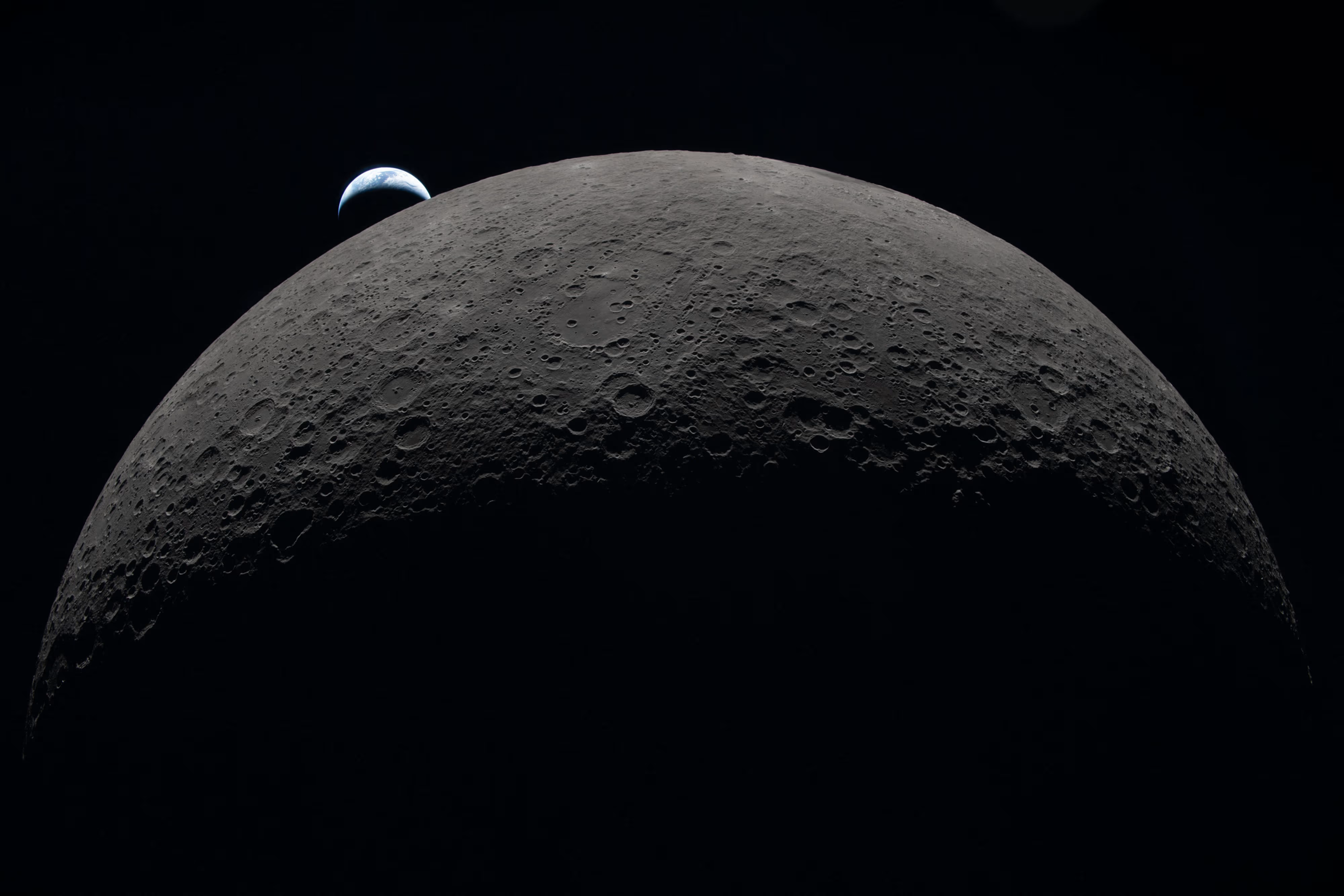
Wow. Just, look. 🌘
The First Photos From Artemis II’s Journey Around the Moon
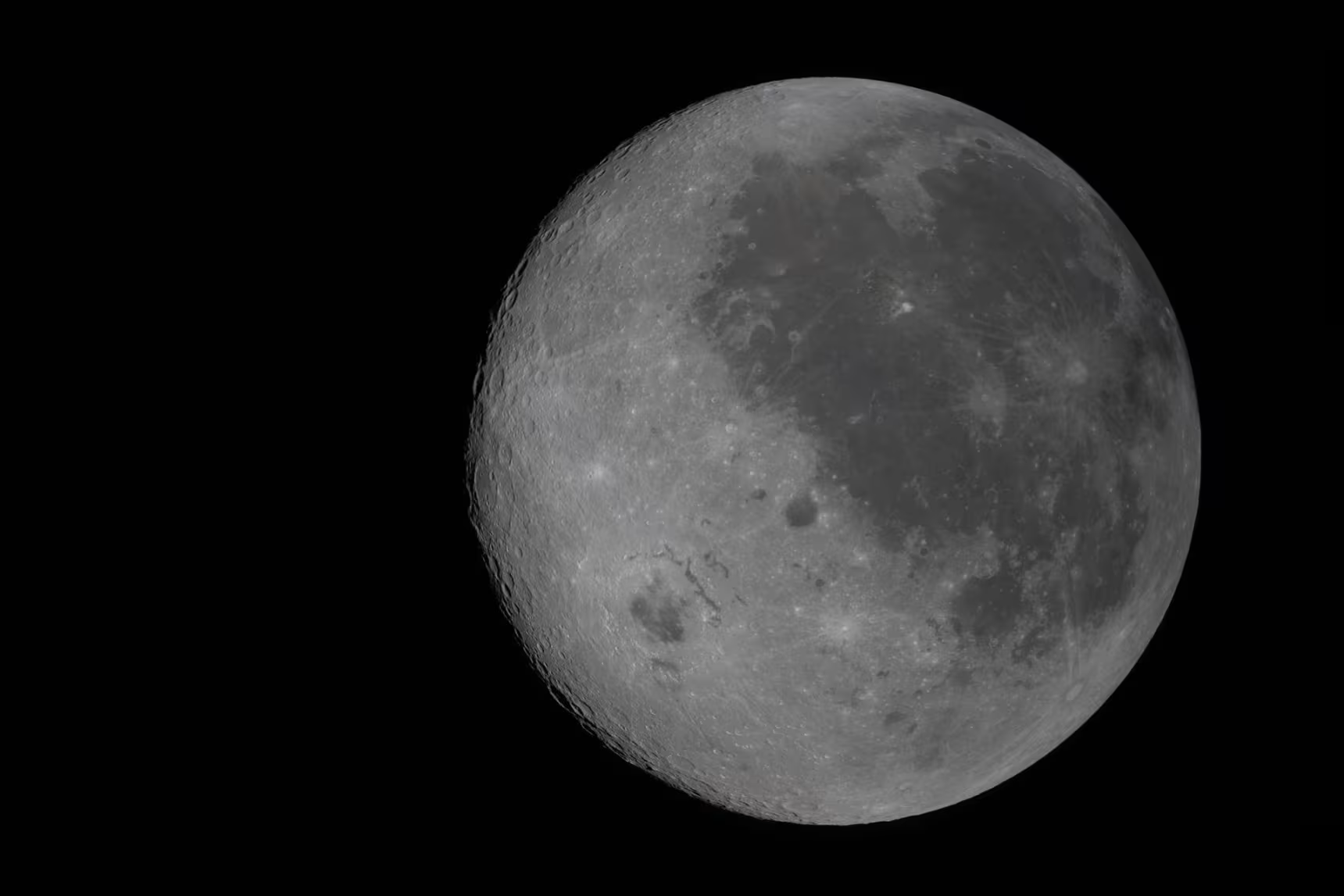
On Monday, four people saw something no human ever had: the far side of the moon, with their own eyes.
NASA astronauts Reid Wiseman, Victor Glover, Christina Koch, and Canadian astronaut Jeremy Hansen spent seven hours circling the moon aboard the Orion spacecraft, photographing its ancient craters and dark plains from an altitude no person had reached since Apollo.
The far side, which is permanently hidden from Earth by tidal locking, has existed until now only in robotic photographs and imagination.
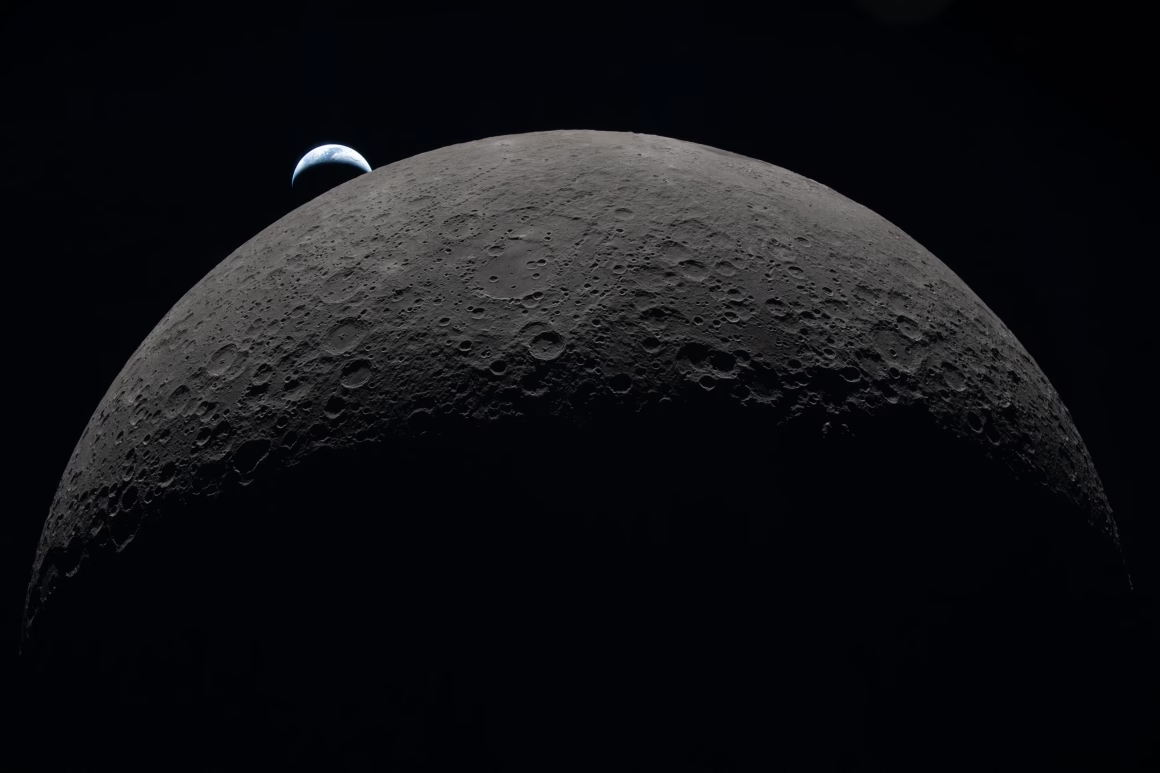
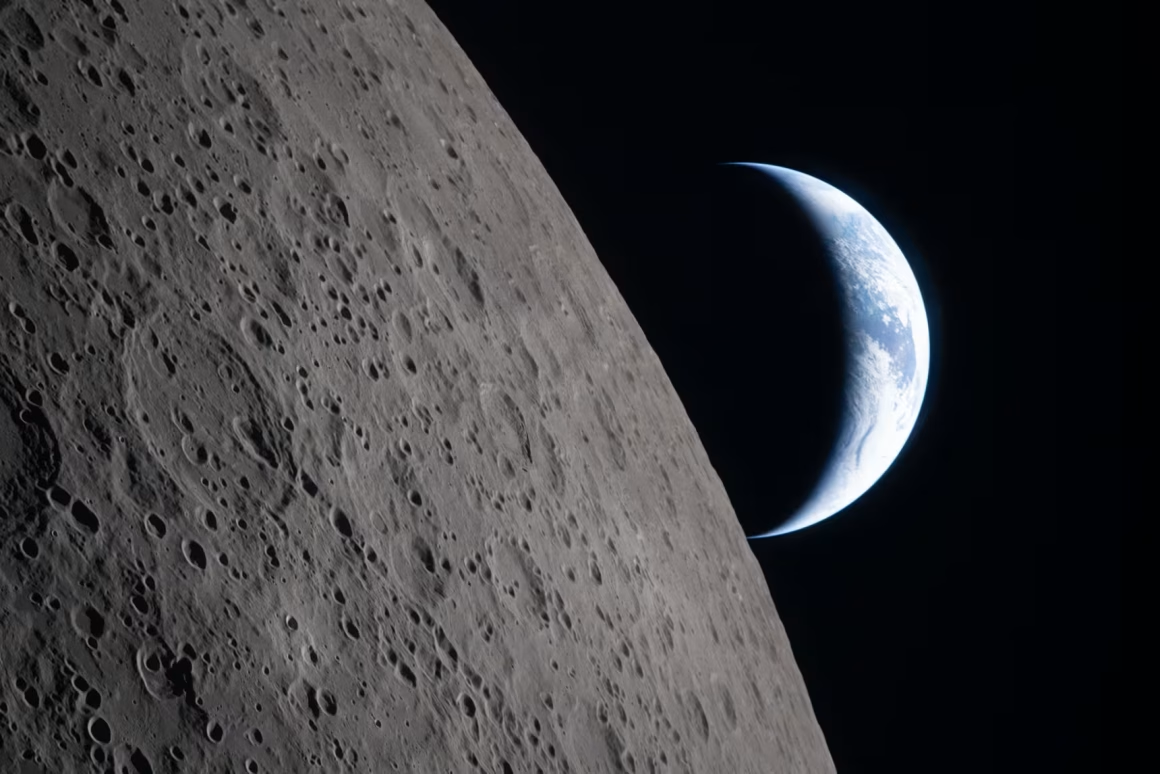
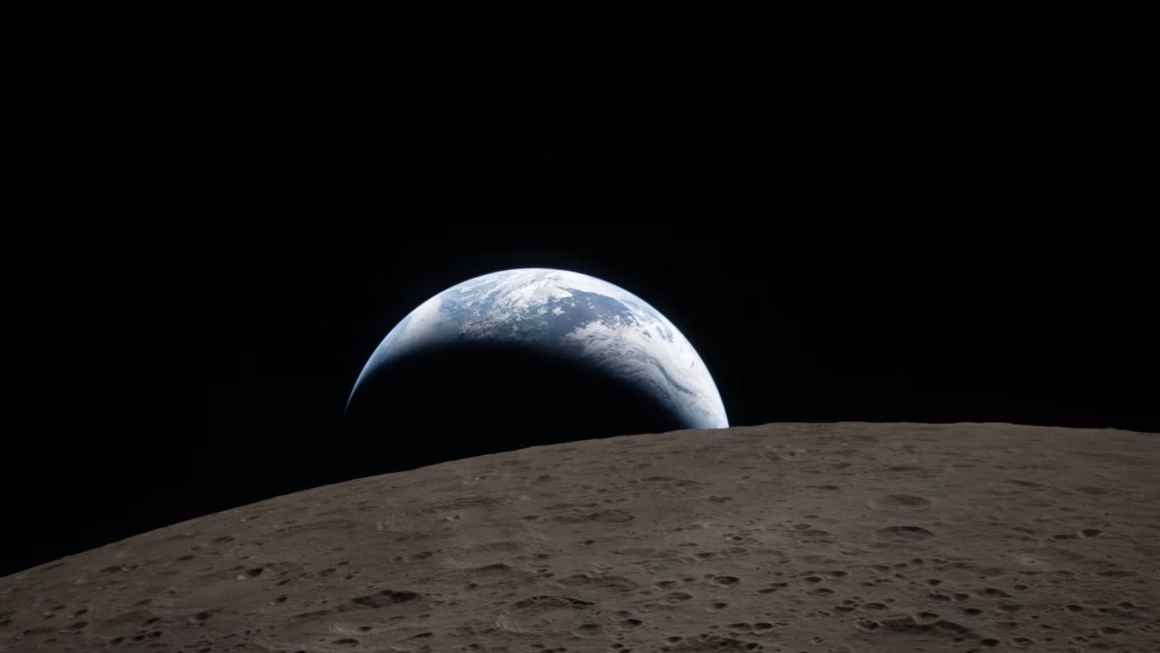
The first image released is an “Earthset”: Earth itself disappearing behind the moon’s edge, photographed from the far side.
It’s the quiet inverse of the famous “Earthrise” shot from Apollo 8 in 1968. Same moment, other direction. Our entire world, going dark.
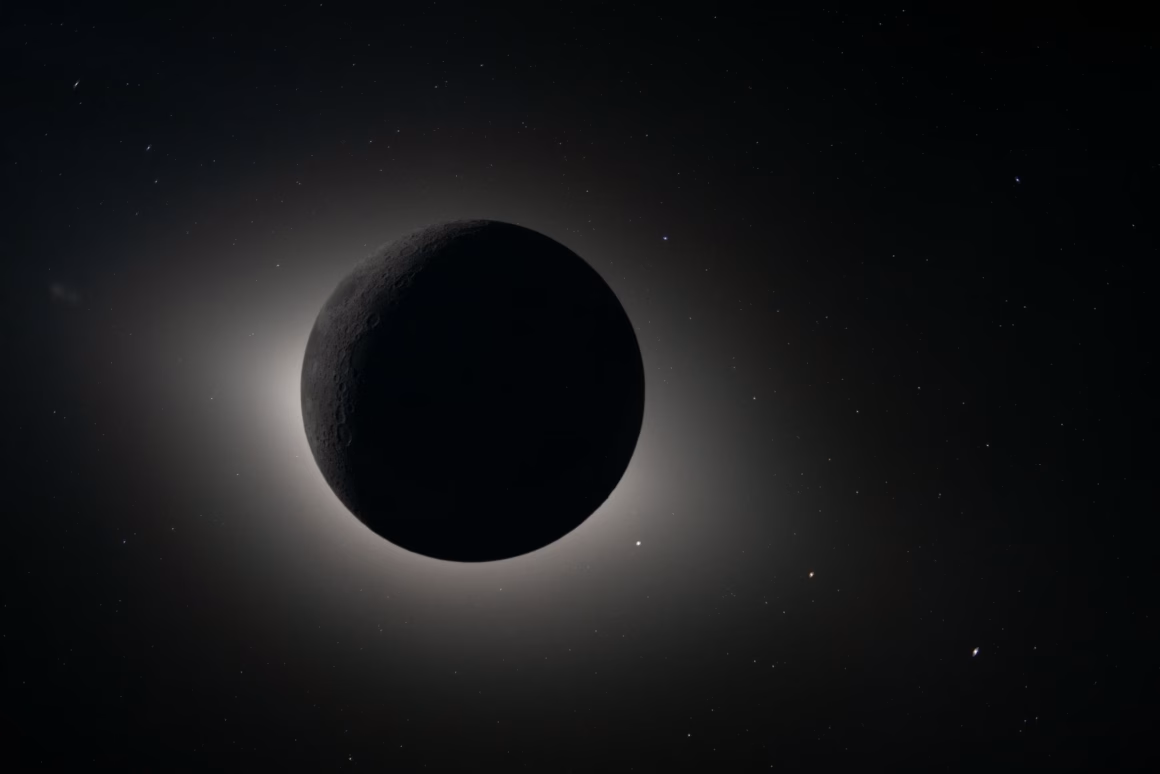
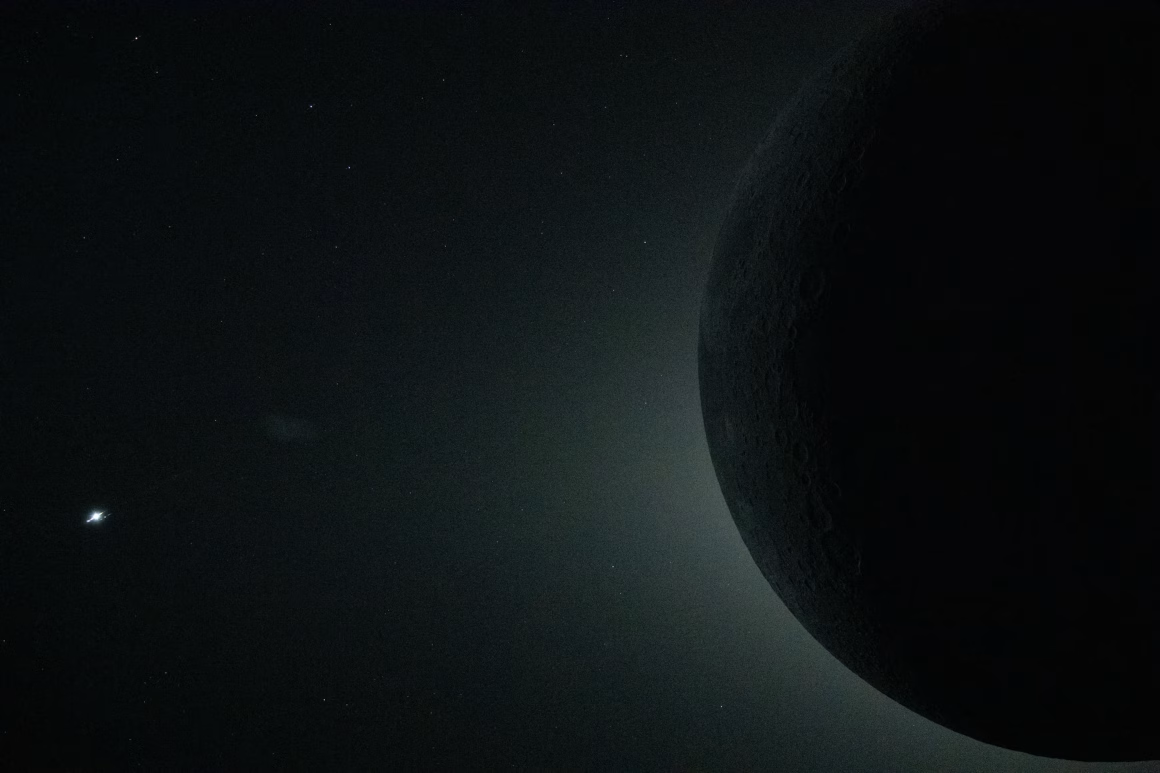
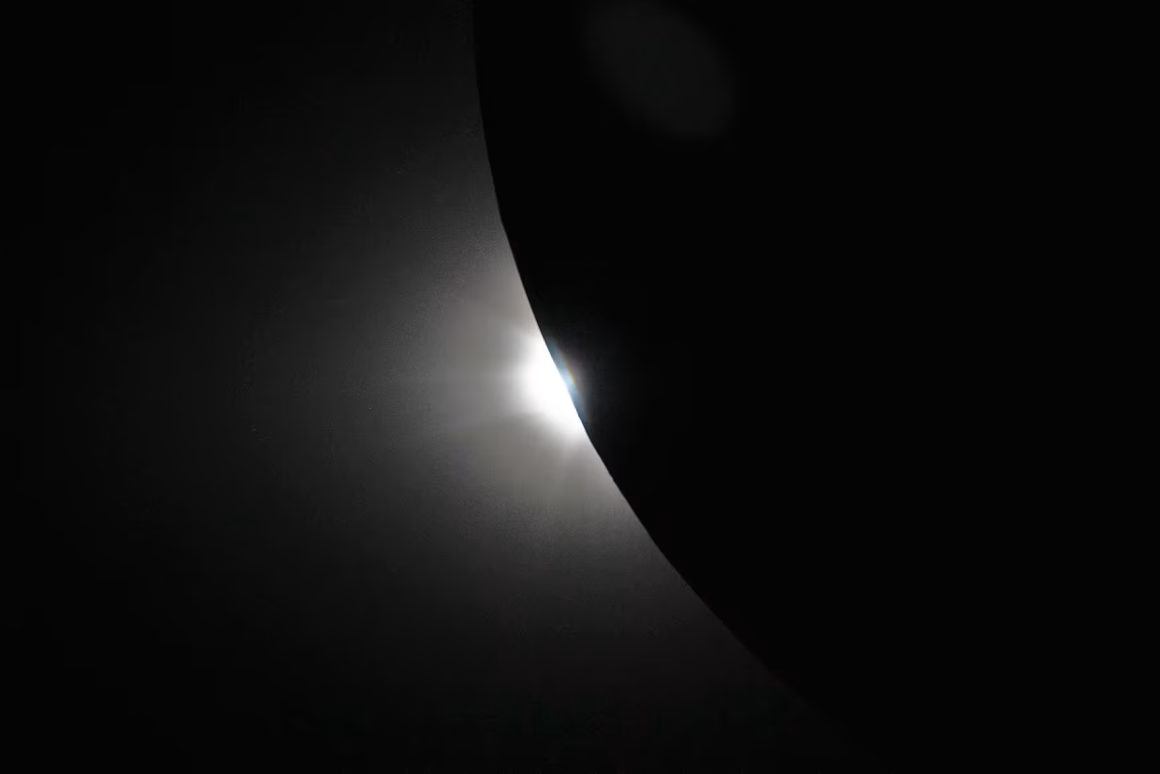
A second photograph might be even more striking. As the crew completed their flyby Monday evening, the sun passed behind the moon, and they witnessed a solar eclipse from space.
Their image shows the moon’s silhouette ringed by the sun’s corona. They are the first people to ever see that.

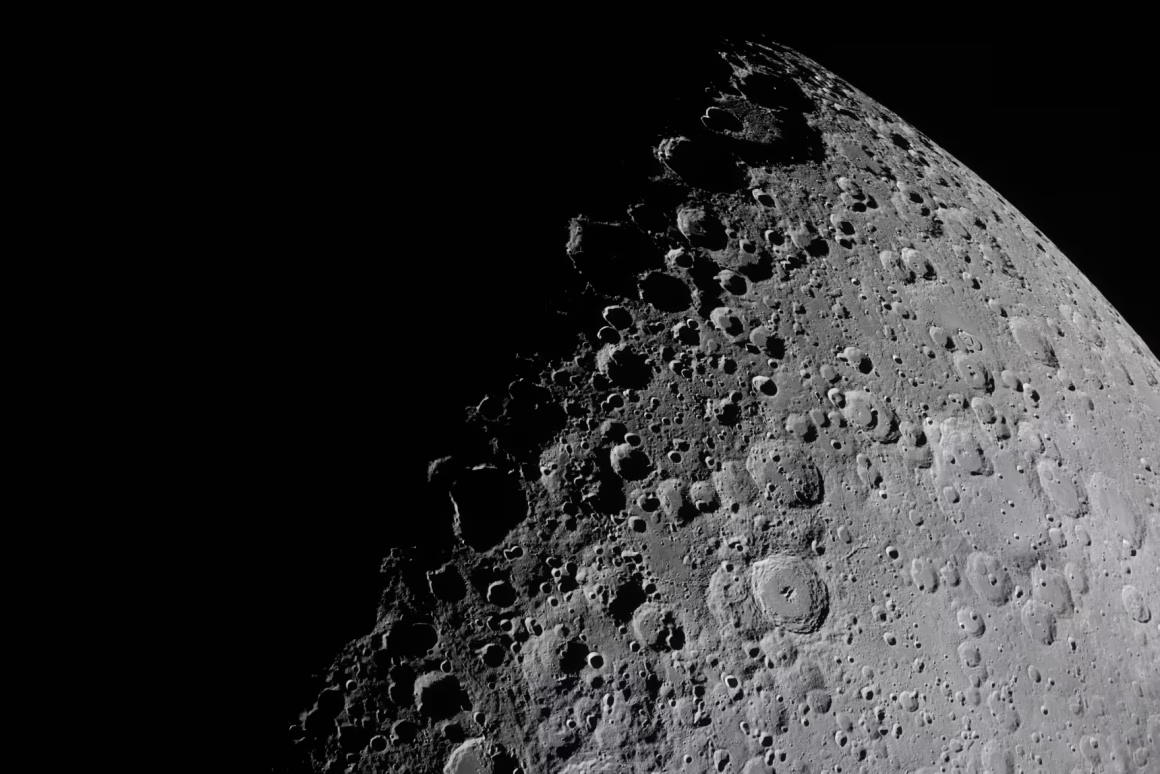
During the flyby, Glover described the terminator: the line between light and shadow on the lunar surface, as producing “islands of light” among deep valleys. Koch noted that young impact craters glowed unexpectedly bright against older terrain, “like pinholes in a lampshade.”
One of their targets was the Orientale basin: a 600-mile-wide crater formed 3.8 billion years ago, straddling both sides of the moon.
At their farthest point, the crew was 252,756 miles from Earth — a new record for human distance from home, surpassing Apollo 13’s unintended mark from 1970 by more than 4,100 miles.
Now on their way home, they’re scheduled to splash down in the Pacific off San Diego on Friday. The full image collection follows after that.


Images via NASA.
Discover more from Moss and Fog
Subscribe to get the latest posts sent to your email.

1 Comment
You’d think that given the global perspective from space that our entire species (minus Artemis II crew) would cherish the beautiful diversity that we share yet we sow so much conflict. Perhaps we’re not ready to interact with the local system. Here’s to hoping.