

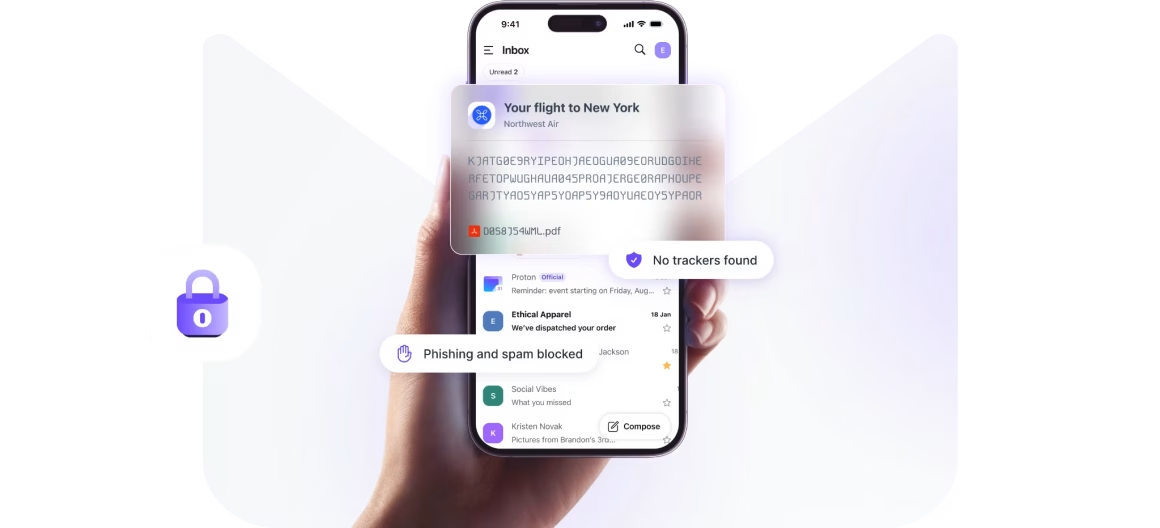
Independent creatives work across a fragmented world. One day it might be client briefs over email, the next it is file transfers, invoices, brand negotiations, or licensing discussions. Unlike traditional office roles, everything is stitched together through a mix of platforms, often without formal systems in place.
Email sits at the centre of that web—it’s where opportunities arrive, contracts are signed, and financial conversations happen. Yet it’s also one of the least reconsidered parts of a creative’s setup. Many stick with whatever they first signed up for, even as their work becomes more professional and more exposed.
That is starting to shift. A growing number of freelancers and independent creators are rethinking their communication tools as their careers become more complex and more visible.

Email has become the backbone of creative business
For most independent creatives, email is not just communication. It is infrastructure. It connects every part of the workflow, from initial pitch to final payment.
As workloads increase, so does the volume of messages. Brand collaborations, revisions, approvals and contracts all compete for attention in the same inbox. Without structure, important details can easily get buried.
A more intentional approach to mail helps separate personal communication from professional work. Dedicated addresses for client enquiries, collaboration requests and administrative tasks can make day-to-day operations easier to manage, especially when juggling multiple projects at once.

Freelancers face growing exposure to digital threats
Independent creators often work across multiple platforms, devices and clients. That flexibility is part of the appeal, but it also increases exposure to security and privacy risks.This level of mobility mirrors the kinds of risks highlighted in guidance on staying safe while traveling as a digital nomad and protecting personal and professional data across unsecured networks.
Sensitive information moves frequently through email: payment details, unpublished content, contracts and personal data. If an account is compromised, the impact can extend far beyond a single inbox.
Reports on privacy risks for gig economy creators highlight how freelance and platform-based workers are often more vulnerable to digital exploitation due to the nature of their work and reliance on third-party systems.
That vulnerability is not always obvious day to day, especially when work is fast-moving and deadline-driven.

Privacy is becoming part of professional identity
Creatives are increasingly aware that their digital setup reflects how they operate professionally. Clients and collaborators expect a level of organisation and reliability, even from solo freelancers.
Email providers that prioritise privacy and control are becoming part of that professional toolkit. It is not just about security features, but about how communication is managed and how data is handled over time.
For many, this shift is less about fear and more about reducing unnecessary exposure. The less data scattered across multiple systems, the easier it becomes to manage a growing body of work.

Managing chaos across multiple platforms
Freelance work rarely happens in one place. Projects move between cloud storage, messaging apps, invoicing tools and social platforms. Email is often the only consistent thread across all of them.
Without structure, that thread can become overwhelming. Important messages get missed, follow-ups are delayed, and administrative work builds up in the background.
Better email organisation helps stabilise that flow. Labels, folders and separate accounts for different types of work reduce friction and make it easier to stay on top of ongoing commitments.

Switching tools as a form of creative control
For independent creatives, changing tools is not just a technical decision. It is part of how they shape their working environment.
Switching email services is often one of the simplest but most impactful changes. It does not alter the nature of the work itself, but it changes how that work is managed, stored and protected.
As freelance careers become more established and more digitally dependent, the systems behind the scenes matter more than they first appear. Email is no longer just a background utility. For many creatives, it’s part of how their business actually functions.
Discover more from Moss and Fog
Subscribe to get the latest posts sent to your email.


